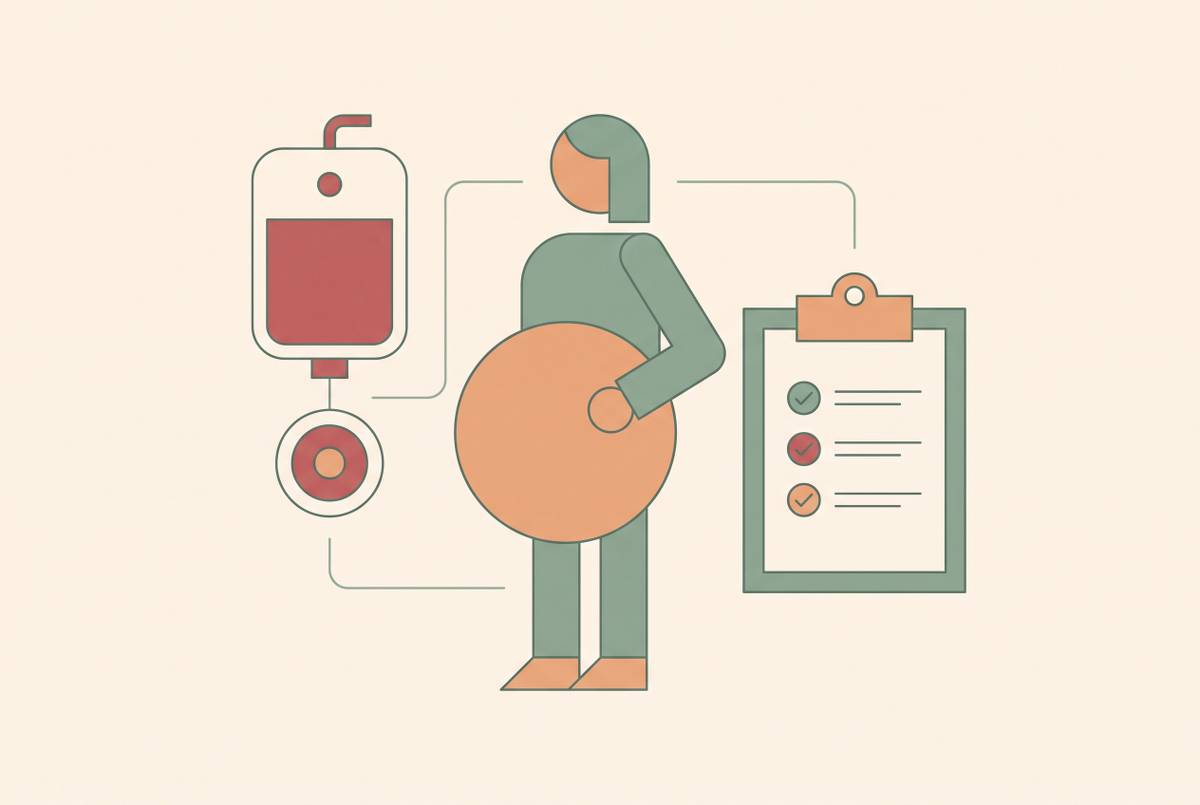
Directed Cord Blood Donation for a Sibling With a Known Condition
Families with a sick sibling can pursue matched cord blood donation as a proven treatment path.
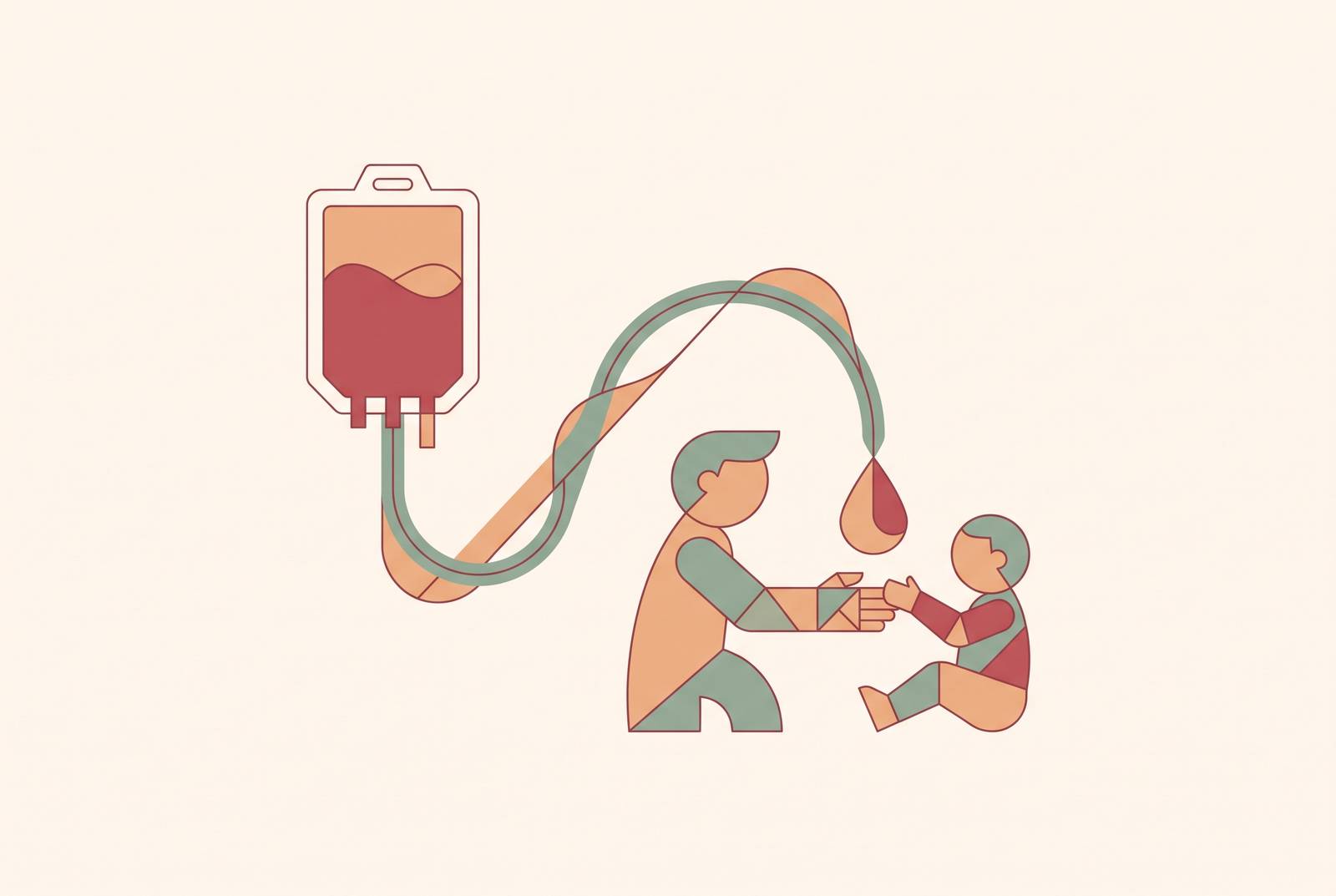
Directed cord blood donation for a sibling with a known condition is a medically encouraged path when stem cell transplantation may treat that child’s disease. The value of directed cord blood donation depends on the child’s clinical need, how well the donor matches, whether the cell dose is enough, and whether plans are in place before delivery.
Why directed sibling cord blood banking is a medically distinct category, not a premium upgrade on routine private storage
The newborn’s cord blood may provide a graft for that child, rather than being stored against an unspecified future illness. ACOG says that the evidence does not support routine private banking, but notes that some public banks store directed donations for family members with diseases that may be treatable. AAP also says directed donation may be right for a child with a known disorder who has a matched sibling donor.
This distinction determines eligibility for subsidies, which banks can accept the unit, and the requirements governing its use. Routine private banking anticipates possible autologous use, meaning treatment with the child’s own cells. Such use is generally ruled out for leukemia and genetic disorders because those cells may carry the same defect or predisposition. Directed sibling donation is for another recipient who has a clinical need for the graft.
Which conditions make directed sibling cord blood banking medically appropriate
The conditions that may be treated include blood cancers, inherited hemoglobin disorders, immune deficiencies, and certain inherited metabolic diseases. Their common feature is that stem cell transplantation is an established or emerging treatment. For leukemia and lymphoma, transplantation can replace diseased blood-forming cells with healthy donor cells. The suitability of cord blood transplantation for a child with a blood cancer requires individual assessment.
HLA-matched sibling hematopoietic cell transplantation, including cord blood transplantation, is a well-established curative therapy for sickle cell disease and thalassemia major. For thalassemia, matched sibling allogeneic HSCT using bone marrow or cord blood remains the most established curative approach, although FDA-approved gene therapies offer additional curative-intent options. HRSA and the FDA also identify immune system disorders and certain inherited metabolic disorders as potential indications for cord blood transplantation. The first practical action is therefore to obtain clinical confirmation from the ill sibling’s treating physician. A diagnosis may justify exploring directed collection, but proceeding requires the physician’s assessment of its suitability for that child.
Why HLA matching between siblings is not guaranteed, and what that means before collection
A full sibling has a one-in-four, or 25%, chance of being an HLA match for the ill child. Each parent contributes one of two HLA haplotypes, and the matching combination occurs in roughly one in four sibling births. Fewer than one third of patients who need transplantation have HLA-matched sibling donors, so being related does not by itself make someone a suitable donor.
The stakes are higher for ethnic communities underrepresented in unrelated donor registries. Patients with sickle cell disease, a population disproportionately of African descent, have a much lower probability of finding a comparable unrelated match than patients from European ancestry populations. Directed sibling collection may therefore offer the only realistic route to a well-matched graft. That disparity strengthens the rationale for collection without changing the probability of a sibling match.
HLA typing of a stored unit occurs only on physician request. Families should arrange typing of the ill sibling and the newborn’s cord blood through the treating transplant physician as early as possible after collection. Matching is only one part of suitability, however. Even a fully matched unit may have too few cells for the person who needs it.
What parents must do before, during, and immediately after delivery to secure a viable unit
Preparation begins with written confirmation from the ill sibling’s treating physician that the diagnosis may be treated with a stem cell transplant. Most banks and programs require this documentation before enrollment. The family then needs to choose a bank, enroll, and obtain a collection kit well before delivery. ACOG advises arranging this usually six weeks or more before the due date, while AAP advises arranging donation by the 34th week of pregnancy. Before committing to a bank, parents must establish that the delivery hospital can accommodate collection and whether it stocks the required kit.
To enroll, the mother must also undergo maternal screening, which includes a family medical history and tests of her blood for genetic disorders and infections. This is a regulatory requirement. Consent should ideally be given before labor, and it must be given before labor for private banking. Some public donation programs allow consent during early labor, but it should not be undertaken after active labor begins.
After delivery, once the cord has been clamped and cut, the ob-gyn or delivery staff draws blood through a needle into a collection bag. The bank does not perform the collection. Delayed cord clamping benefits preterm newborns, but it can affect the volume available for a graft, and a delay of 30–60 seconds may not be advised for a known sibling transplant. This trade-off belongs in an advance discussion with the ob-gyn. Immediately afterward, the unit must be returned promptly to the bank, with responsibility for shipment monitoring clearly understood.
The three banking pathways available to directed-donation families, and what each costs
The first pathway to consider is HRSA’s federal program for directed-donation families. Families need to check early whether they qualify for the program, how collection will work, and what the financial terms are. This pathway is distinct from assuming that any public bank can reserve a unit. Some public banks accept directed donations for named relatives, but their collection systems can impose substantial logistical limits.
Public banks typically accept donations only from selected maternity hospitals, most do not ship collection kits, and return-shipment monitoring is not standardized. A family relying on this route therefore faces a real risk that the unit will not be accepted. Public directed donation is an option, but its feasibility depends on the hospital and bank working within an established collection arrangement.
The second pathway is a private bank charitable program. Cord Blood Registry, part of CooperSurgical, offers free cord blood and cord tissue processing and storage for five years through its Newborn Possibilities Program® for families with a qualifying medical need. More than 11,000 families had enrolled by 2023. Families need written proof of medical need and should contact the bank early to find out if they qualify before the deadline to enroll.
The third pathway is standard private banking when neither the federal nor a charitable program is accessible. Fees to collect, ship, and process the blood can run into the thousands of dollars, and families then pay for storage each year. However the costs are paid, a unit meant for transplantation must go through strict donor screening and testing, including checks for infectious disease markers.
What happens after banking — how the unit moves from storage to transplant
Storage preserves a possible graft whose use requires authorization for transplantation. The treating transplant physician initiates HLA typing, and families should ask the bank and clinical team when that testing will occur. The team also assesses whether the unit contains enough cells for engraftment relative to the recipient’s body weight. An under-dosed unit may not be used, even if fully matched, or may be combined with another unit.
Before releasing the unit, the bank must check the donor eligibility documents, infectious disease test results, and records of how the unit was processed. FACT accreditation streamlines this process, with donor eligibility documents available before shipment. If the unit meets the required criteria, the bank ships it to the transplant center under controlled conditions. The transplant team then takes responsibility for its clinical use.
If matching or cell dose is inadequate, the team assesses alternatives, including unrelated donor registries, haploidentical transplantation, or gene therapy in some cases. Correct collection and banking do not guarantee that the directed unit will become the chosen graft. Families should stay in touch with both the bank and transplant team while the unit is in storage. The unit’s viability and the recipient’s clinical status both remain relevant to the eventual decision.
How the GVHD advantage of a matched sibling cord blood unit compares to the alternatives
A matched sibling cord blood unit has a key benefit: a lower risk of graft-versus-host disease, or GVHD, than an unrelated donor transplant. GVHD occurs when donor immune cells attack the recipient’s body and is a leading cause of transplant-related morbidity and mortality. Cord blood cells are immunologically less mature than bone marrow or peripheral blood stem cells, making them less likely to trigger severe GVHD. ACOG also states that cord blood stem cells are less likely to cause rejection than bone marrow stem cells.
Cord blood transplantation from an HLA-matched or one-antigen-disparate sibling donor shows a 10-fold lower incidence of GVHD than transplantation using HLA-matched bone marrow from an unrelated donor. That comparison applies only to the graft sources and match categories studied. Changcheng Zheng’s study published in Oncotarget found that unrelated cord blood transplantation in adolescent and young adult patients with chronic myeloid leukemia produced lower chronic GVHD rates than sibling peripheral blood stem cell or bone marrow transplantation. It also found higher chronic GVHD-free, relapse-free survival among survivors.
Where gene therapy fits now and why it does not yet replace the need for directed banking
Gene therapy is a genuine alternative for some of the conditions that prompt directed banking. The FDA approved lovotibeglogene autotemcel and exagamglogene autotemcel for sickle cell disease, with early trials showing improved hemoglobin levels and freedom from vaso-occlusive crises in most recipients. Autologous gene-modified HSC transplantation modifies and returns the patient’s own cells, avoiding the immunological complications of allogeneic transplantation. This differs from using an unmodified autologous cord blood unit that carries the disease-causing defect.
The practical limits remain substantial. Gene therapy still requires myeloablative conditioning, long-term outcome data are not yet available, and access is constrained by cost. The U.S. price of an approved gene therapy for thalassemia exceeds $2.1 million for the product alone. A June 2026 analysis published in Blood found that stem cell transplantation was the most cost-effective long-term option for adults with sickle cell disease compared with gene therapy and standard of care. The analysis found that the cost of gene therapy would have to fall sharply for it to offer comparable value.
For thalassemia, treatment has begun shifting toward gene therapy and gene editing, but that transition is not complete. Families should talk with the ill sibling’s transplant physician about whether the child can get gene therapy and whether it is right for them. Directed banking can preserve a transplant option while that treatment landscape evolves.
The questions families should bring to their medical team and cord blood bank before committing
For the transplant physician, the discussion should establish whether the diagnosis qualifies for cord blood transplantation as an established or emerging treatment. It should make clear what HLA match level is needed and what cell dose threshold the child must meet at their current or expected weight. Families should ask what HLA testing can begin before delivery and when testing of the collected unit will be requested. They should also establish whether gene therapy is a realistic alternative in their circumstances.
For the ob-gyn, the questions concern whether the hospital performs collection and has kits available. The discussion should identify who will collect the blood and whether that person needs advance briefing. It should also establish guidance on delayed cord clamping for this directed donation.
For the bank, families should ask about subsidized programs, required documentation, enrollment deadlines, and all processing and storage charges. They should find out whether the bank is FACT-accredited and whether donor eligibility records will be ready before the unit is shipped for transplant. Further questions should cover who coordinates HLA typing, what happens if collection volume is insufficient, and whether combining units could be considered. AAP recommends asking about accreditation, transplantation failure rates, and backup electrical systems for storage equipment. These conversations should begin when the sibling’s condition is diagnosed, rather than waiting until the third trimester, so that eligibility, collection, and release requirements are understood before enrollment deadlines close.
Sources
- Cord Blood Banking
- Umbilical Cord Blood Donation FAQs
- Transplants of unrelated cord blood or sibling allogeneic peripheral blood stem cells/bone marrow in adolescent and young adults with chronic myeloid leukemia: comparable outcomes but better chronic GVHD-free and relapse-free survival among survivors with cord blood