What Cord Blood Research Shows About Muscle Repair
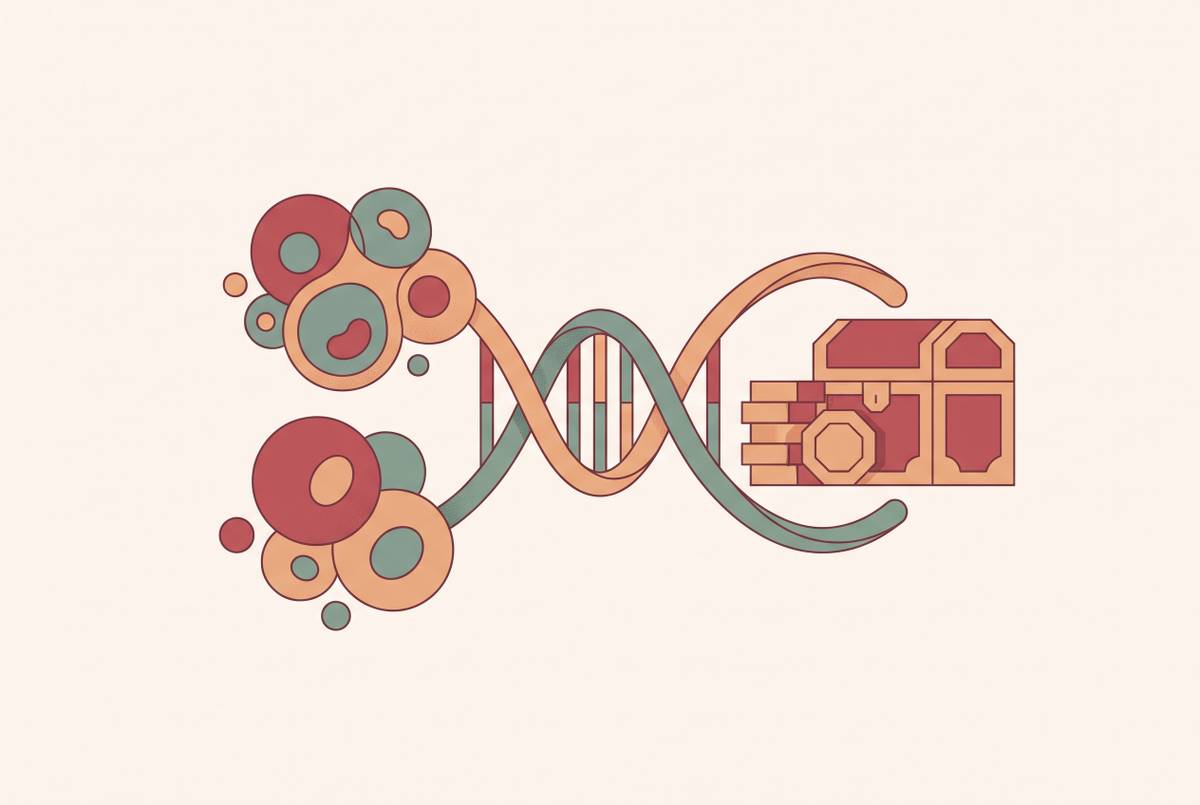
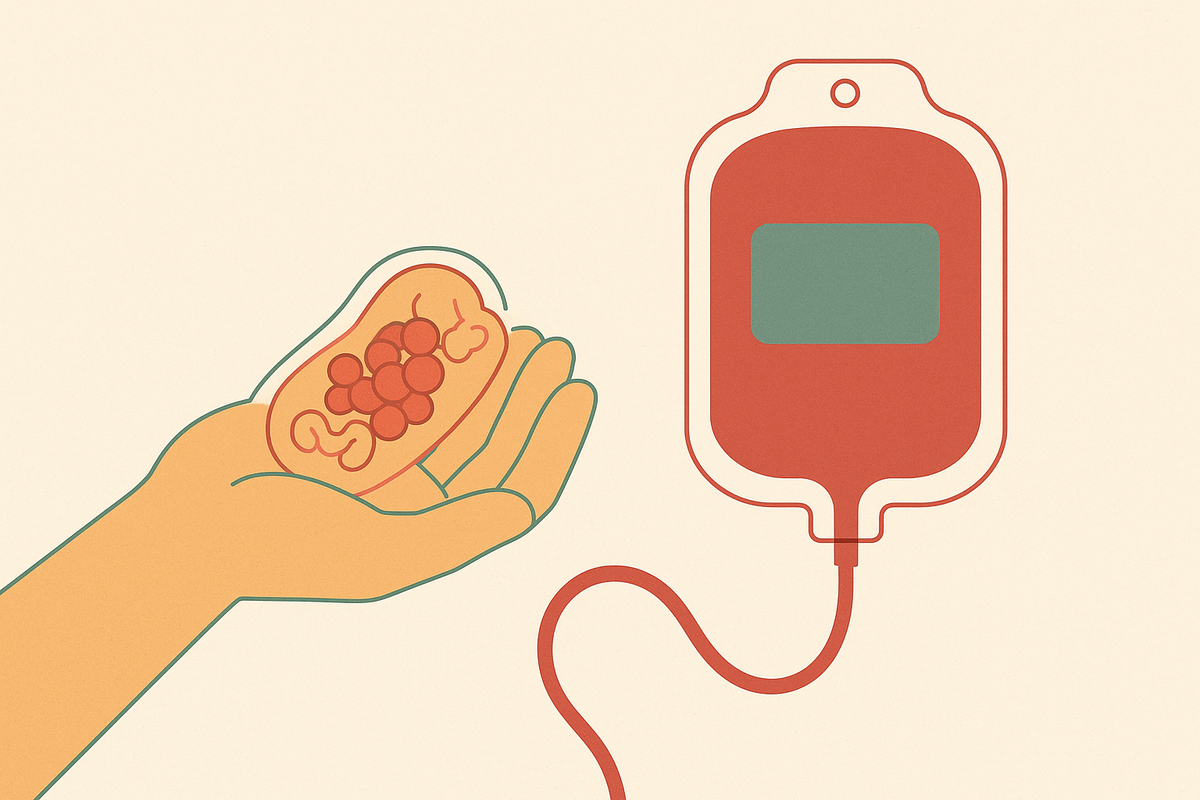
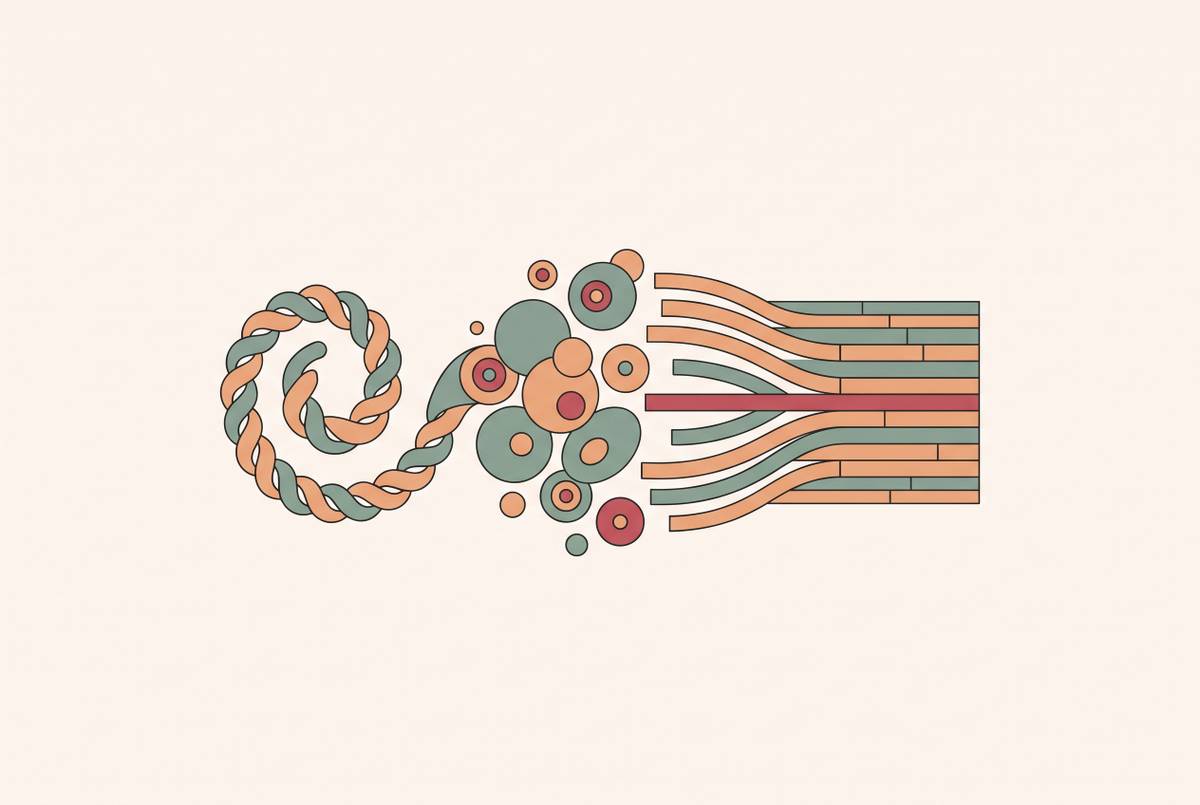
Mesenchymal stem cells from cord blood activate muscle's own repair machinery.
Jonah Park
Section
15 stories in Features.
Mesenchymal stem cells from cord blood activate muscle's own repair machinery.
Most families lose access to banking at the down payment, not the sticker price.
Most cord blood banks hide their true first-year costs in separate line items.
Insurance covers FDA-approved transplants for blood disorders.
Hospitals don't sell placentas, but a murky legal gray zone profits billions from them.
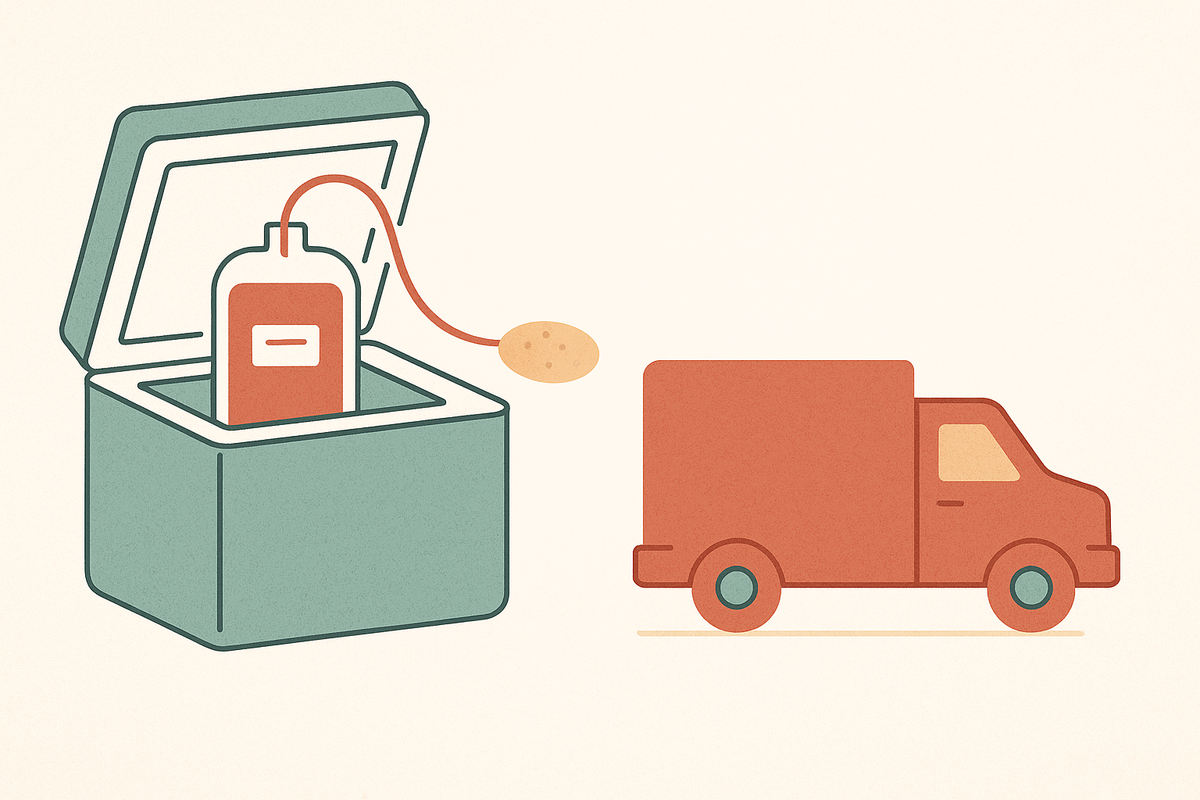
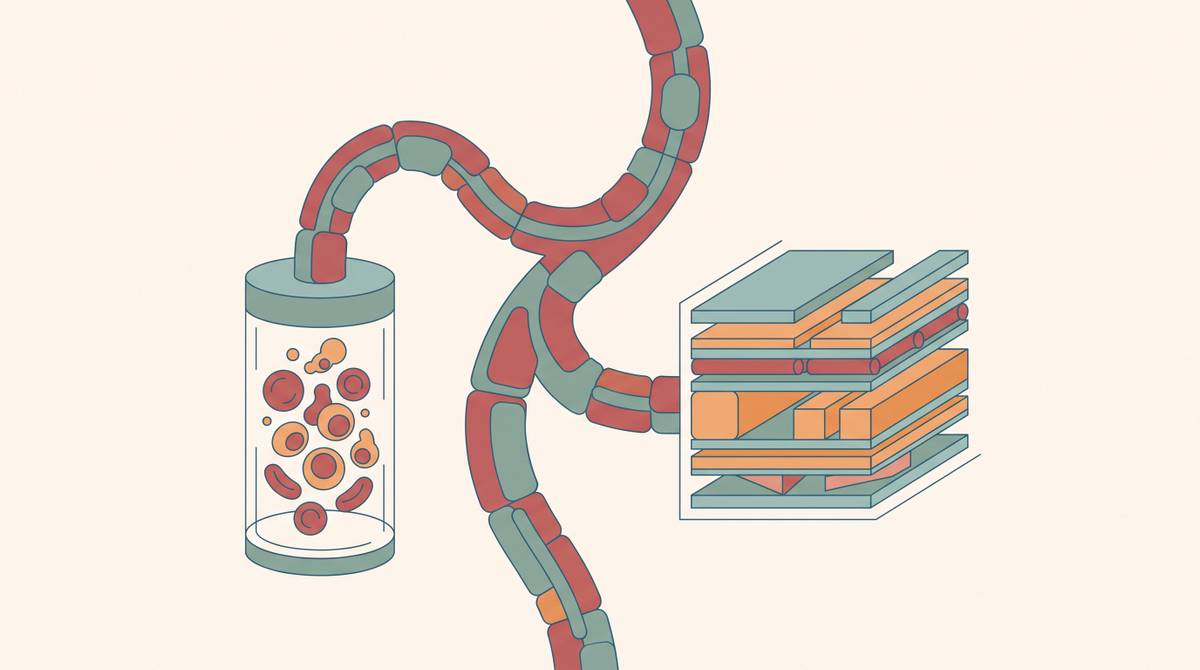
Cold transport and careful processing determine whether frozen stem cells will work decades later.
A single 1988 transplant sparked a tens-of-billions industry still struggling to align.
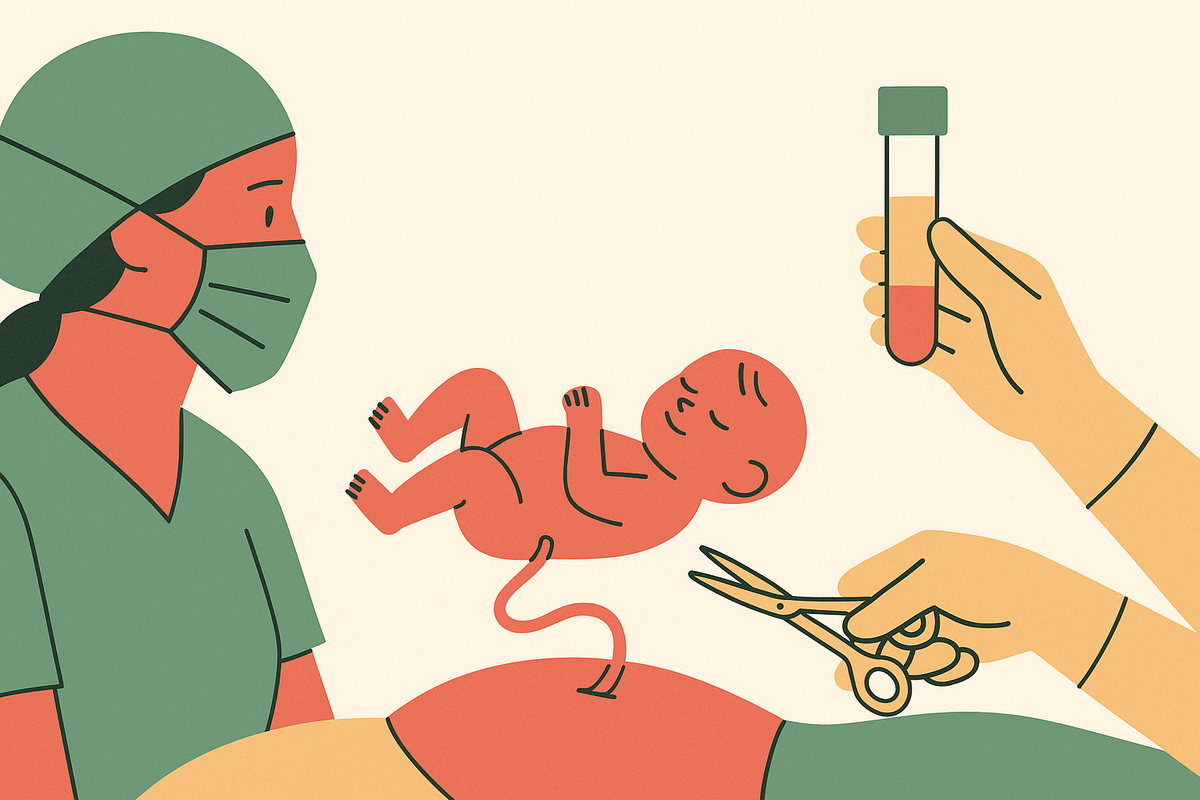
Placental weight matters more than delivery method for collecting viable stem cells.
Adult patients need 12 times more stem cells than a typical cord blood unit provides.
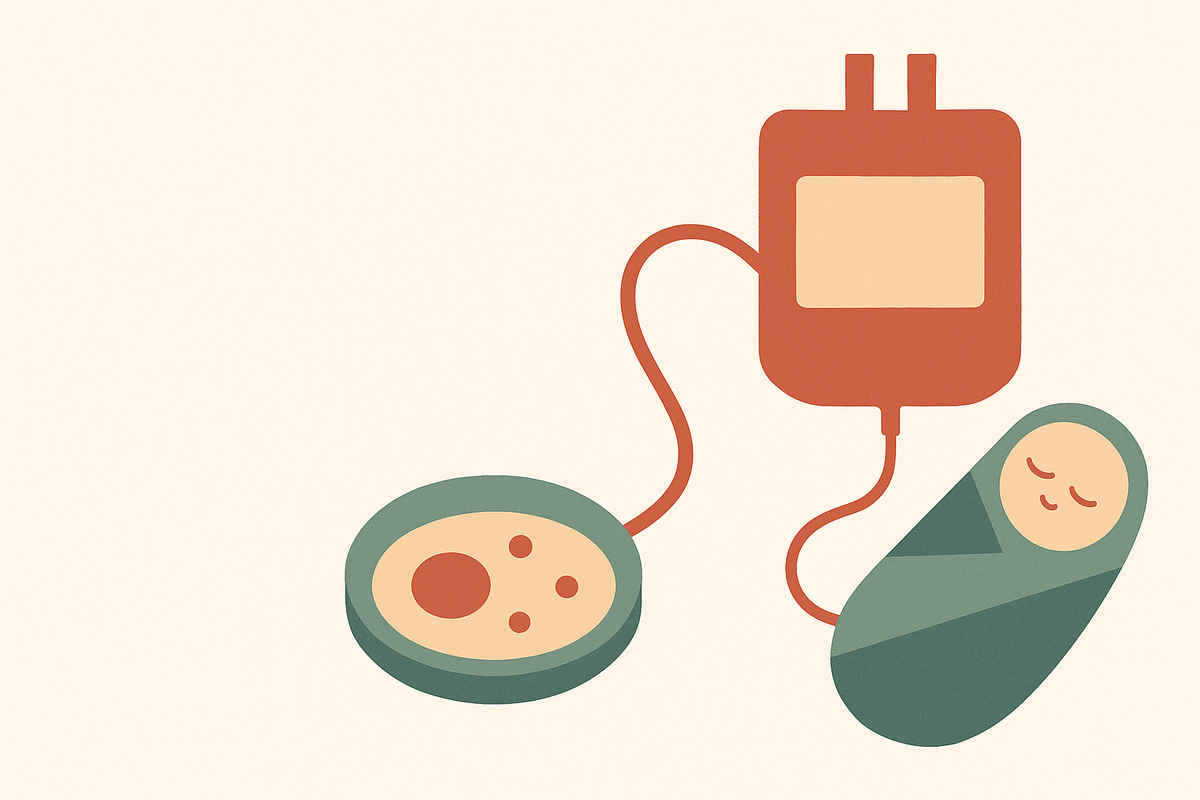
Cord blood stem cells can treat more than 80 diseases across five established clinical categories.
Cord blood treats blood diseases; cord tissue's benefits remain investigational.
Encapsulation lacks safety data, while donation fuels proven wound therapies.
Public banks are free but discard most units; private banks charge thousands but guarantee access.
Decades of frozen cord blood retain the stem cells needed to treat blood disorders.
Decades of frozen storage don't diminish cord blood's transplant success.